
The Role of Walls in Energy Efficiency
Insulating your home well is crucial for comfort and saving on energy bills. Many homeowners focus on the attic or windows, but walls play a vital role too. Proper wall insulation can significantly affect the temperature inside your house. When it’s done right, you use less energy to heat or cool your space. This not only lowers utility costs but also makes your home more comfortable year-round.
Improving Wall Performance With Insulation
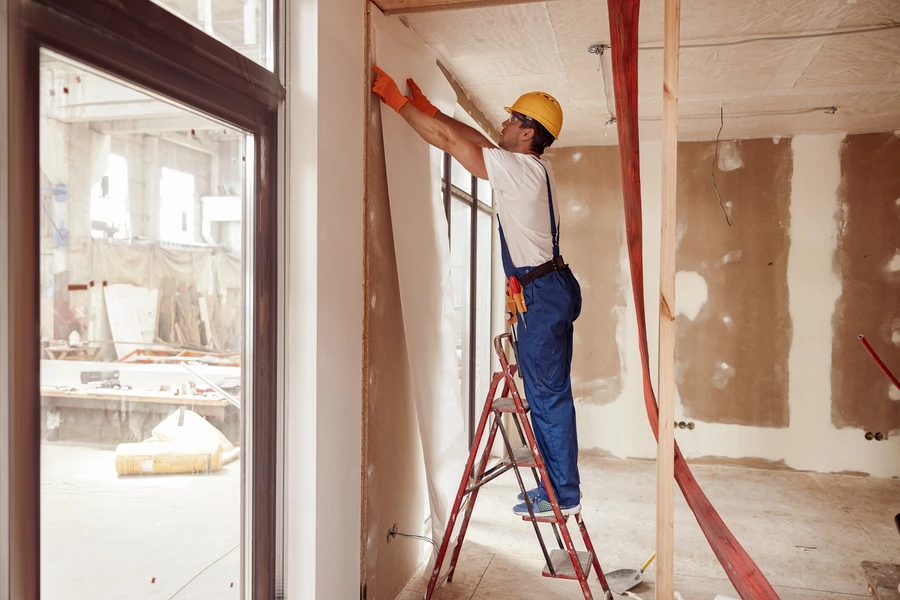
Drywall installation is a key factor when it comes to making your home’s walls effective at conserving energy. It acts as a barrier that helps retain heat during the winter and keeps your home cool during the summer. Good drywall installation ensures a tight seal, minimizing air leaks. This means your HVAC system doesn’t have to work as hard, which can extend its lifespan.
The Importance of Air Tightness
Your home’s air tightness directly impacts how efficiently it maintains temperature. During drywall installation, careful sealing around edges and openings minimizes gaps where air might escape. This attention to detail ensures that conditioned air stays inside and unconditioned air remains outside. It’s an effective way to enhance your home’s overall energy efficiency.
Choosing the Right Materials
Quality materials are essential for achieving optimal insulation performance. Fiberglass, foam board, and spray foam each offer different benefits depending on your needs. Fiberglass is affordable and easy to install. Foam board provides good thermal resistance, and spray foam offers the best air-sealing properties. Consider these options based on your budget and efficiency goals.
- Fiberglass: Cost-effective and widely available
- Foam Board: Offers excellent thermal resistance
- Spray Foam: Superior air-sealing capabilities
Avoiding Common Mistakes
Mistakes during installation can compromise insulation effectiveness. One common error is improper fitting, leaving gaps that reduce energy efficiency. Another issue is using the wrong type of drywall for specific areas, such as damp zones like bathrooms. Selecting moisture-resistant drywall for such spaces prevents mold growth and maintains insulating properties over time.
Step-by-Step Installation Guide
- Prepare the area by clearing obstacles.
- Install drywall sheets securely against studs.
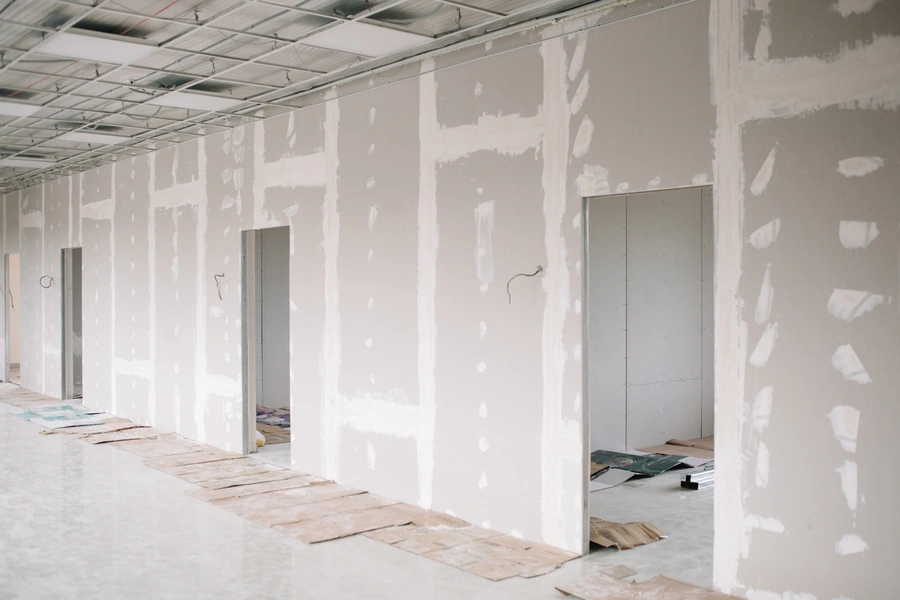
- Tape seams and apply joint compound.
- Sand surfaces smooth once dry.
- Paint or finish as desired for additional protection.
Long-Term Benefits of Improved Insulation
Investing in proper insulation through professional services pays off long term. Homes with good insulation enjoy reduced heating and cooling costs, better indoor air quality, and increased property value. Additionally, a well-insulated home supports a sustainable environment by reducing energy consumption and carbon footprint.
Take Action for Better Insulation Solutions Today
Your home’s energy efficiency greatly depends on its insulation quality. For enhanced comfort and savings, consider upgrading with expert help. Our team at Alison Stucco Stone Renovation is dedicated to providing top-notch solutions that meet your needs. Contact us at (980) 217-6074 for a consultation. We’re located in Pineville, NC and ready to assist you!